The Definitive Manual on Commercial Hostel Bunk Beds
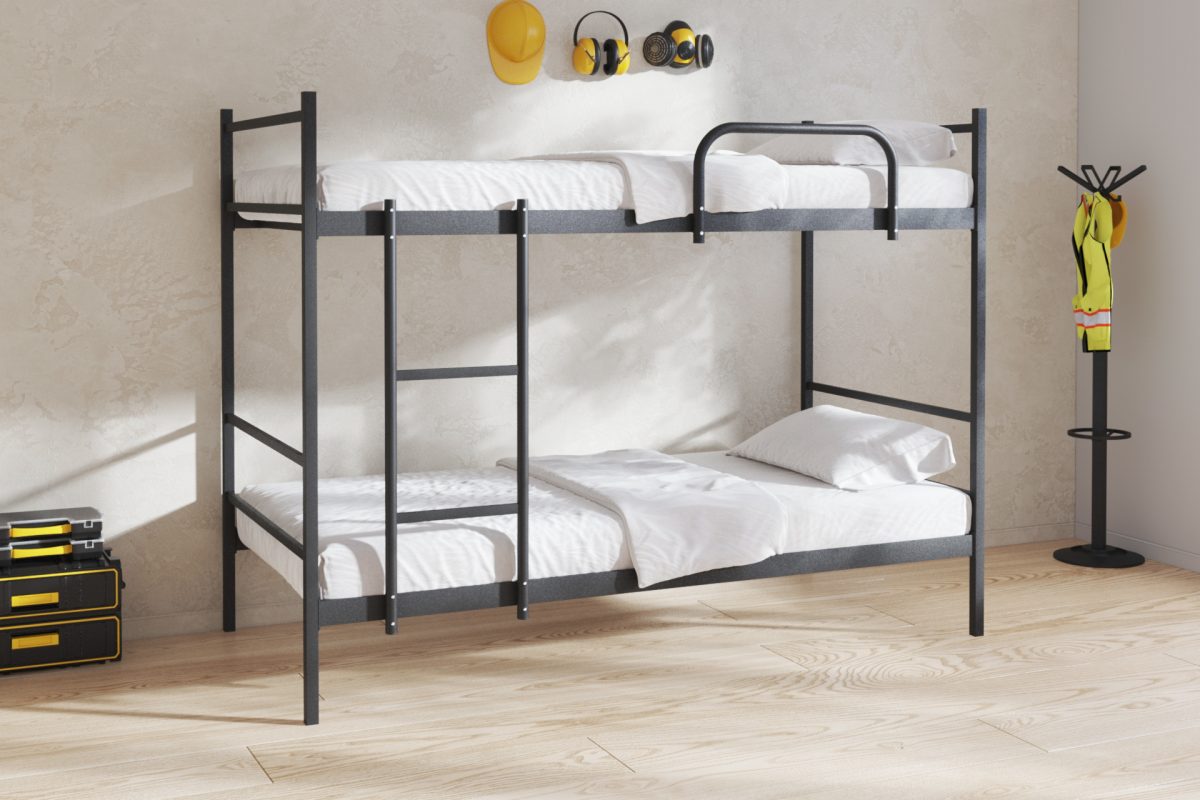
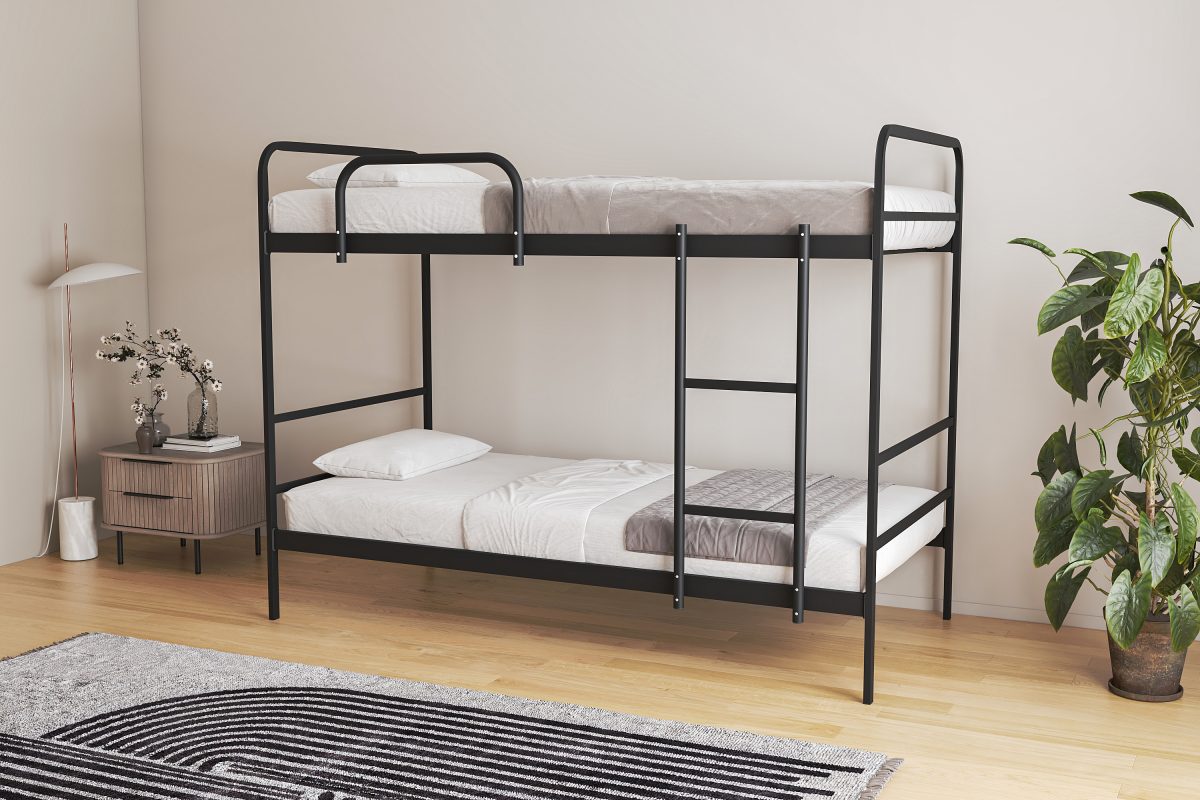
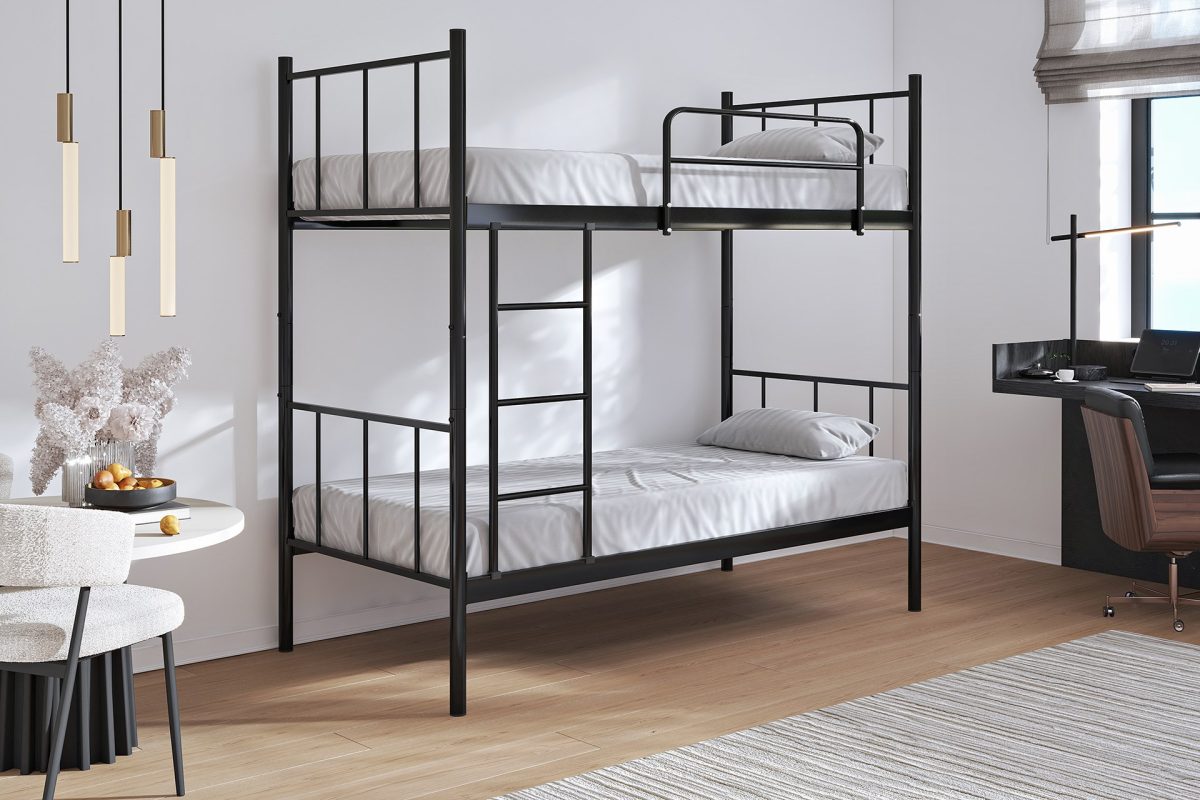
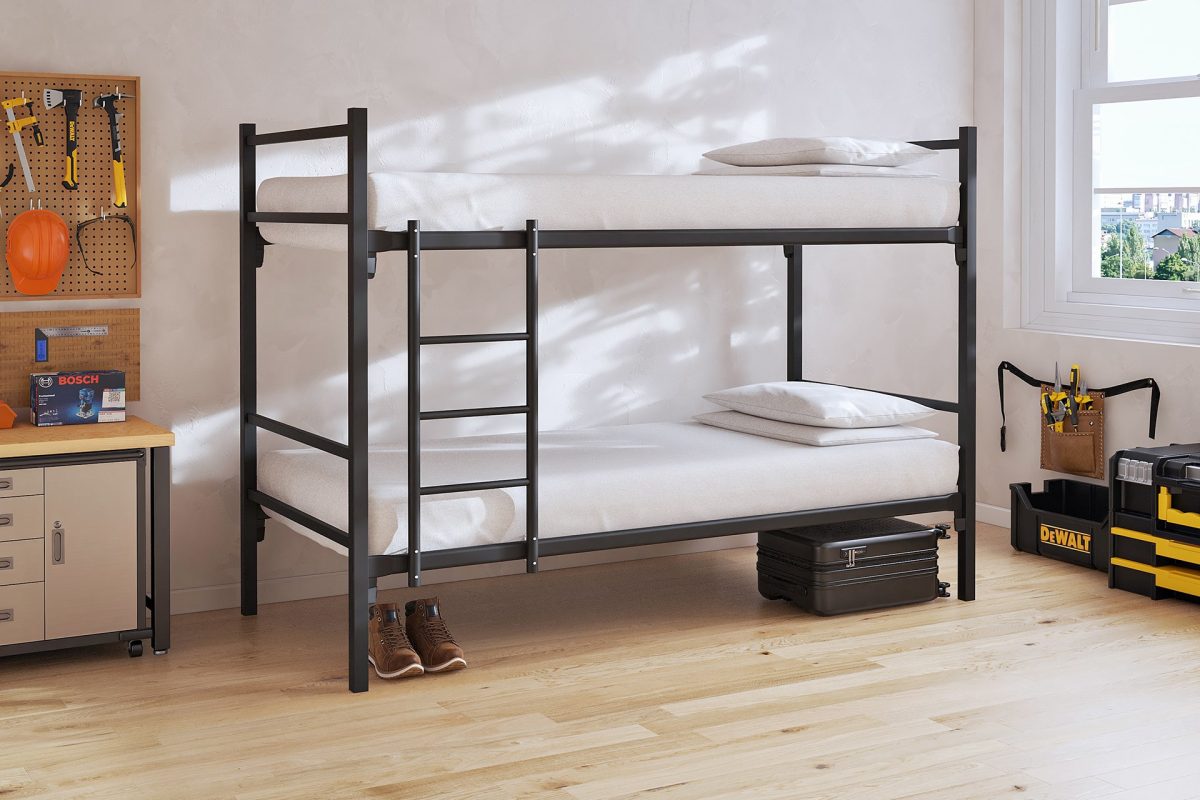
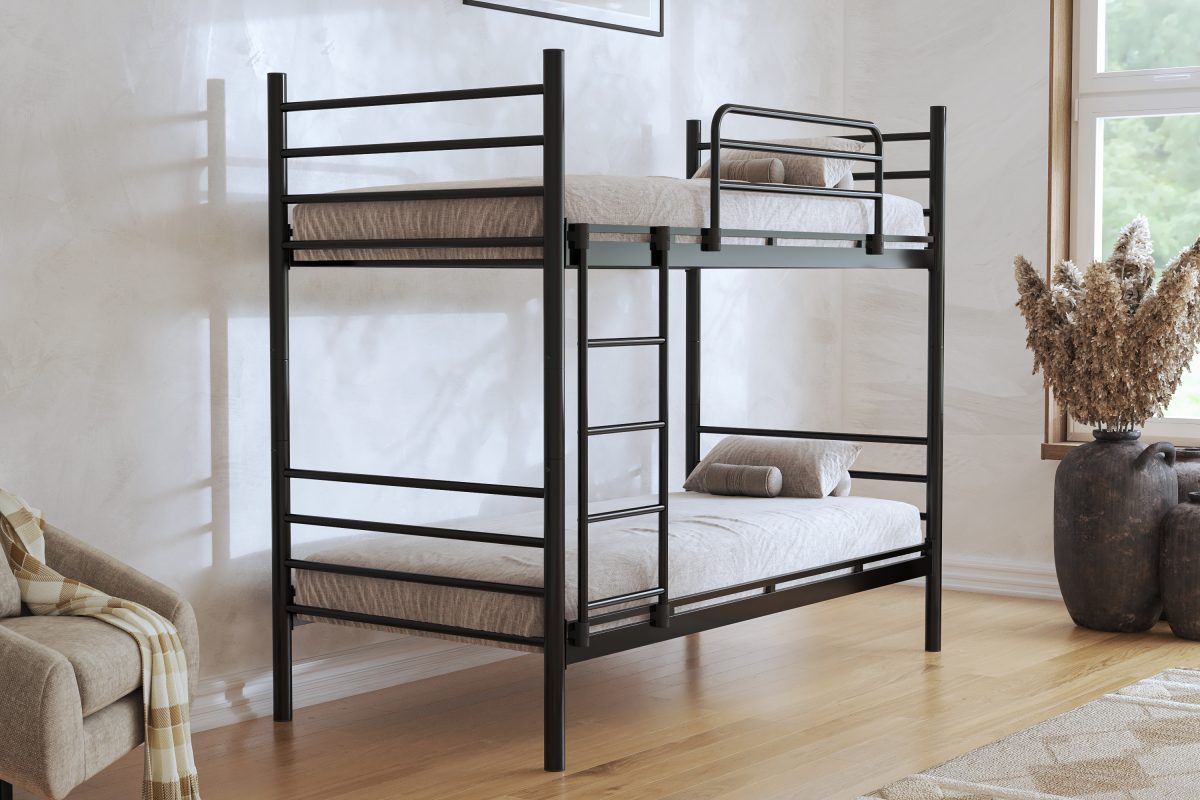
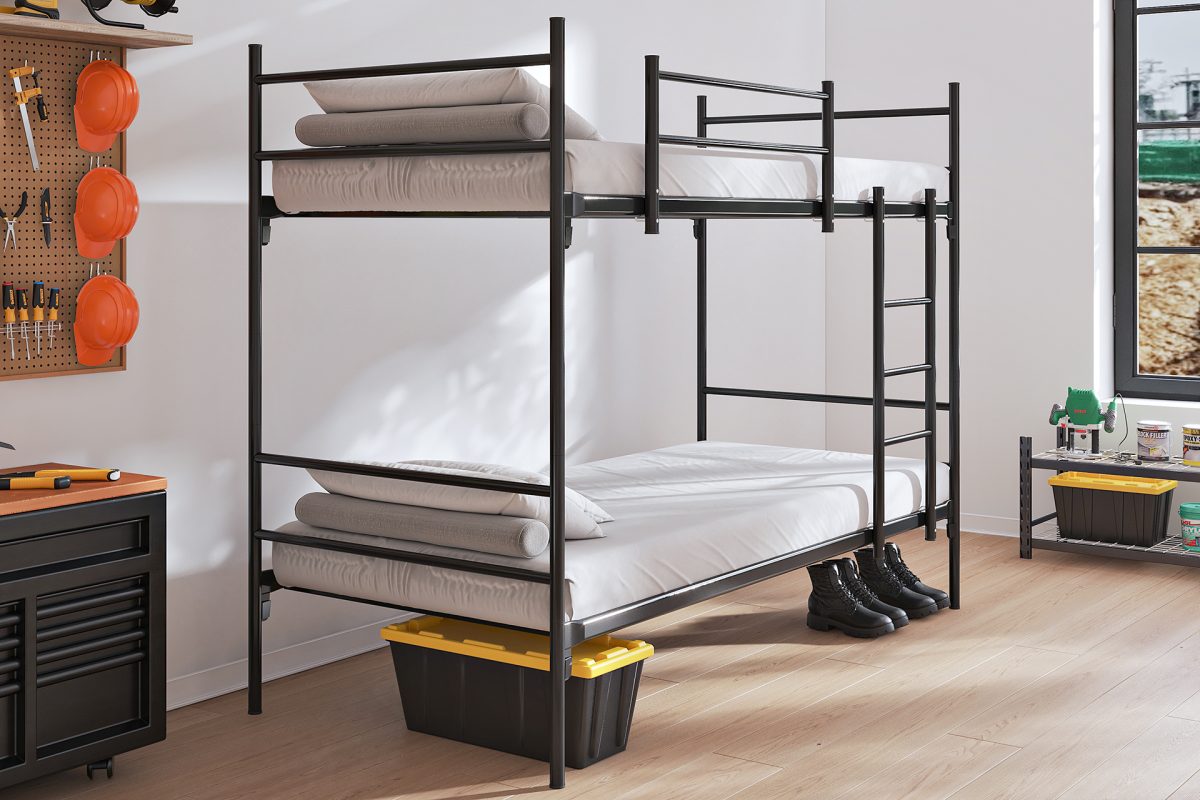
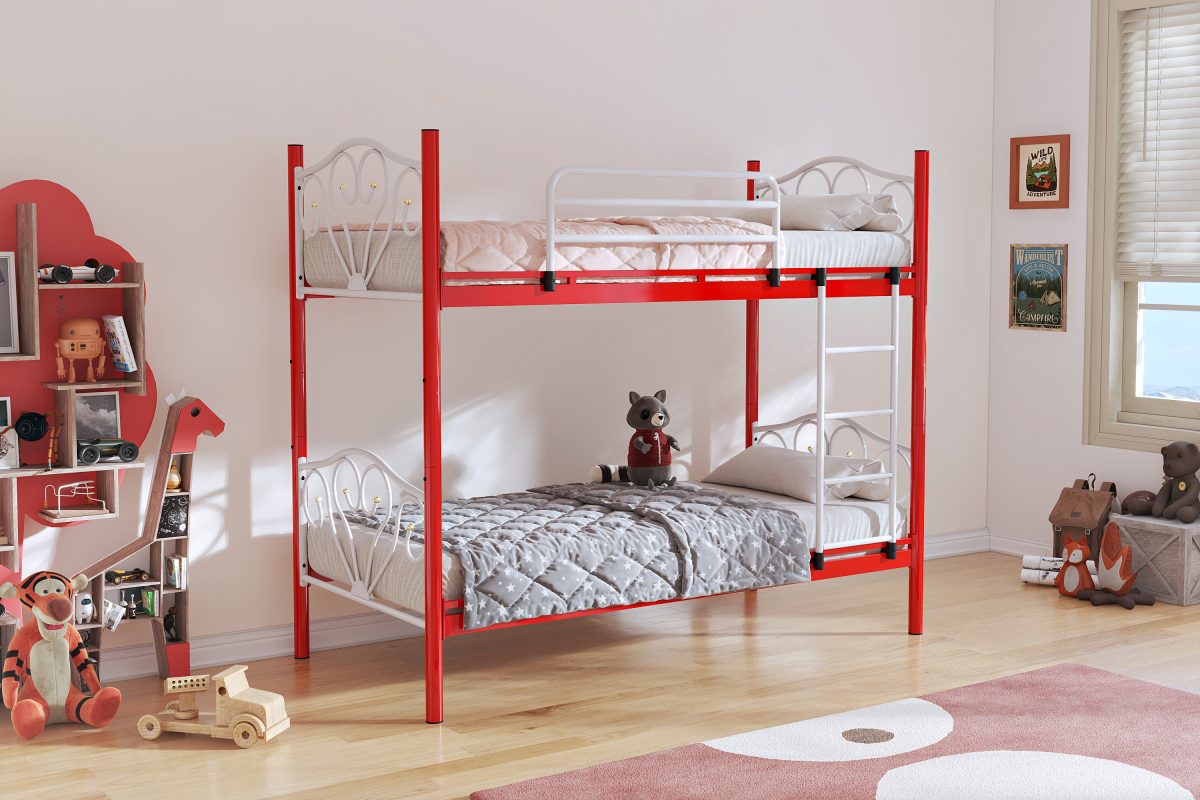
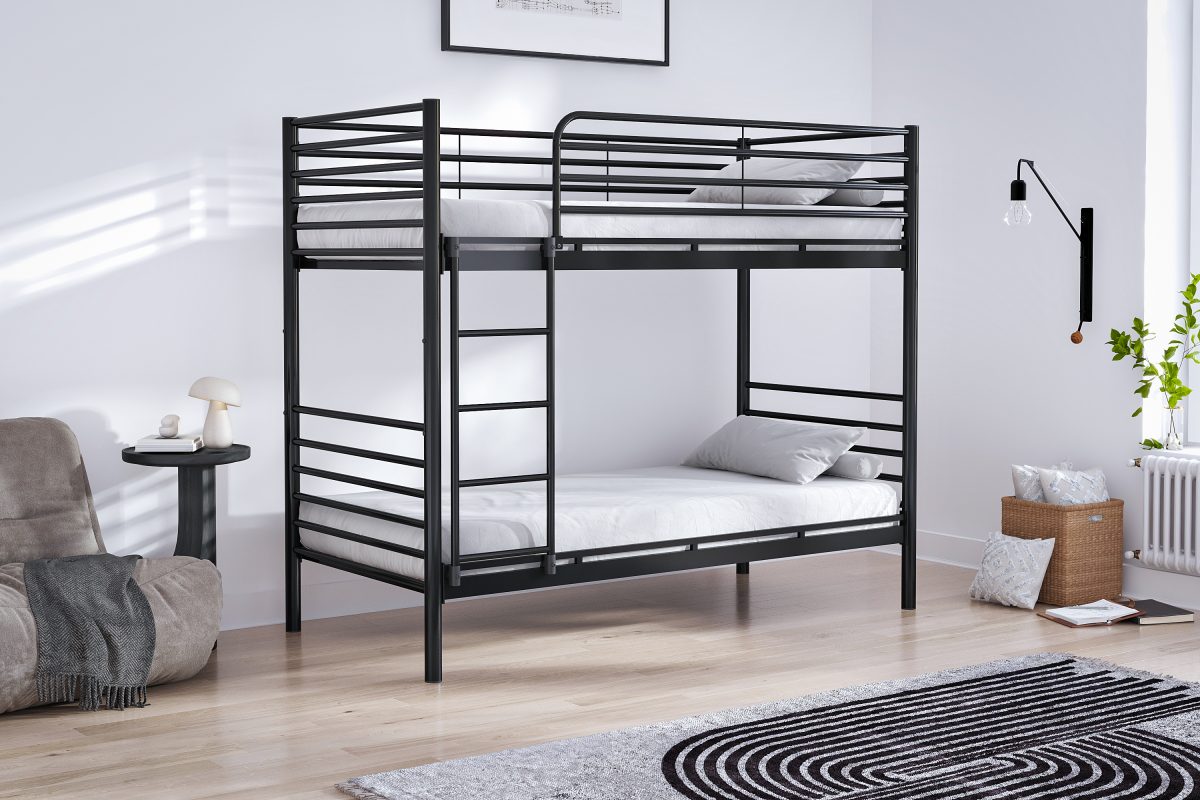
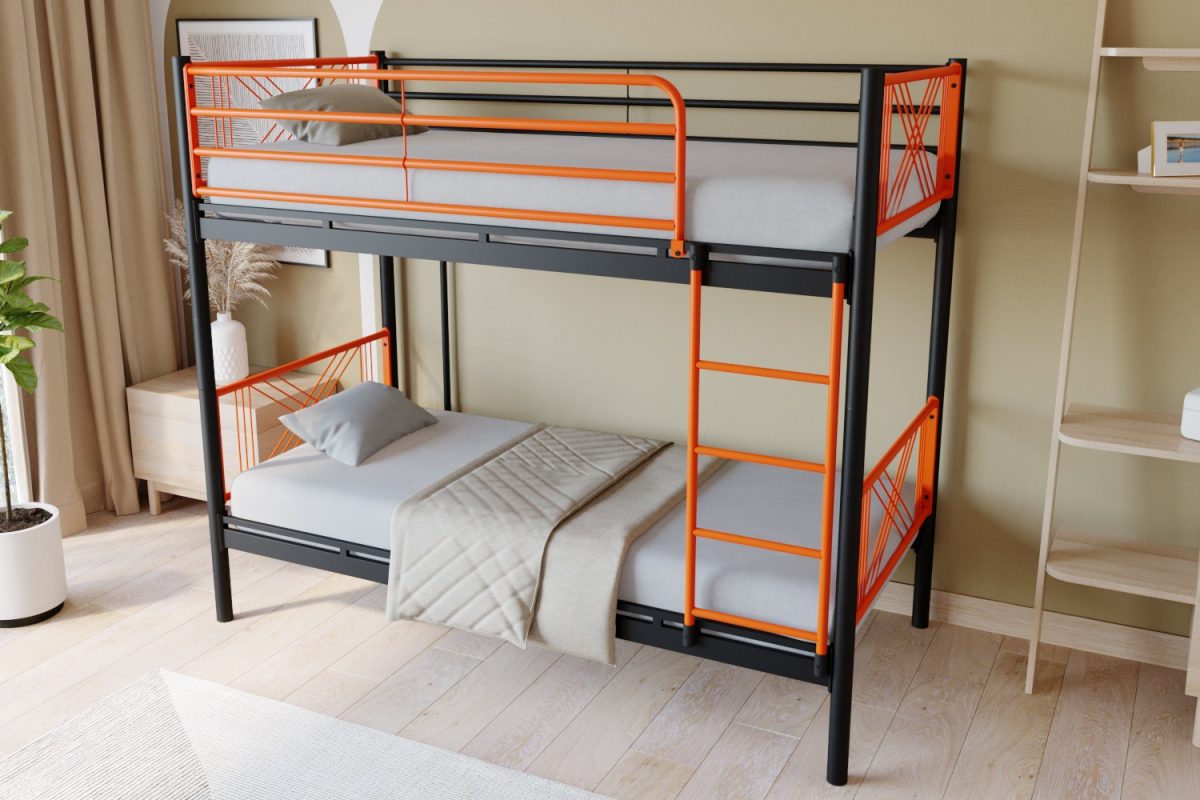
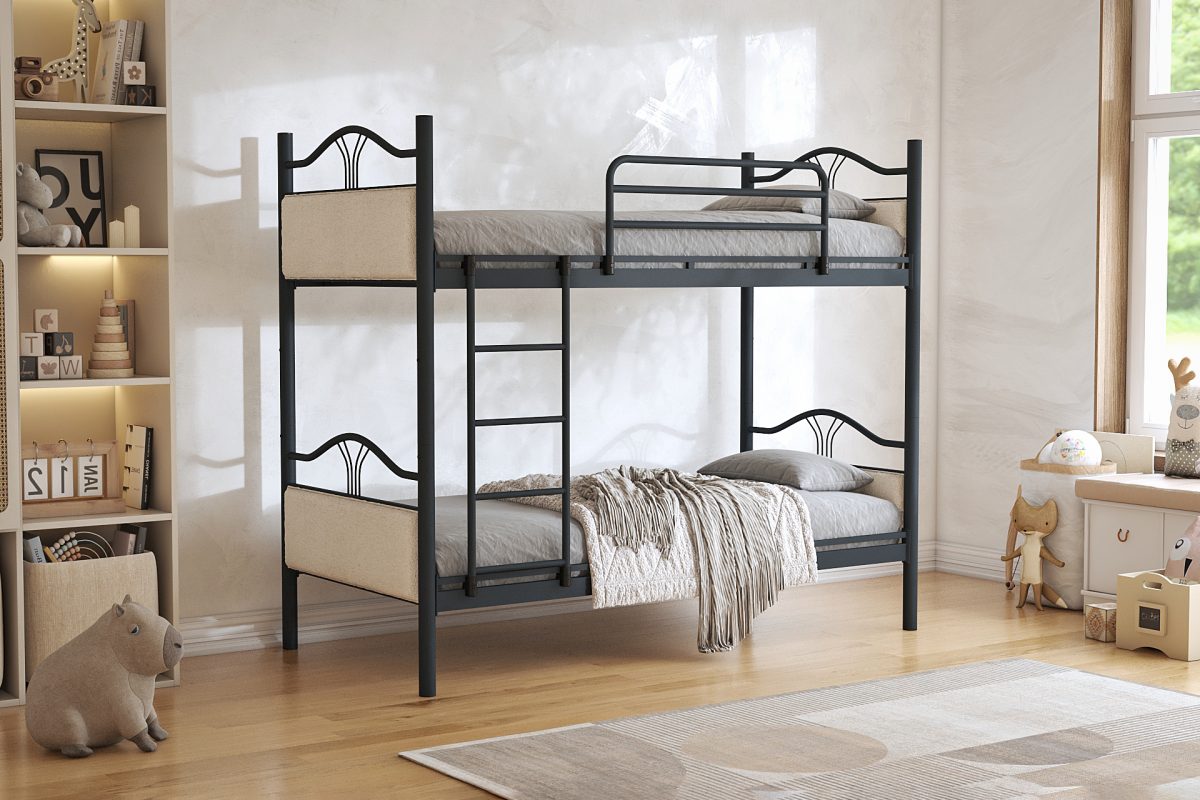
The global landscape of shared accommodations is evolving rapidly. Property developers and interior architects are continuously searching for methods to optimize spatial efficiency without compromising the occupant experience. Consumer-grade platforms are fundamentally inadequate for mass lodging scenarios. They lack the torsional rigidity and material endurance required to withstand daily, intensive use. By partnering with a dedicated Bunk Bed Manufacturer, organizations can secure industrial-grade vertical sleep platforms that offer a permanent solution to high-density room layouts. Ultimately, investing in proper hostel bunk beds is the most crucial decision a facility manager can make.
Welcome to the definitive manual on commercial guest furniture. Operating a successful property requires strategic planning. The core of this strategy is the architecture of your sleeping units. Every multi-level bunk must withstand extreme use. A fragile setup will fail quickly. Retail models cannot handle daily adult turnover. Therefore, choosing the right bunk is vital. A premium bunk ensures longevity. Any modern hostel must prioritize this. A sturdy bed guarantees comfort. Commercial beds are industrial assets. When replacing outdated structures, upgrading to high-quality sleep platforms is mandatory for long-term profitability.
1. The Financial Mathematics of Shared Lodging
Calculating the true return on investment in a mass accommodation facility extends far beyond the initial capital expenditure. Facility managers must account for depreciation, replacement cycles, and the hidden costs of ongoing maintenance. When a sleeping platform fails, the room capacity drops, leading to an immediate loss in nightly revenue generation.
Maximizing revenue in a property involves vertical expansion. Installing a two-tier bunk doubles occupancy instantly. Another bunk means another ticket sold. However, a broken bed destroys profitability. Cheap beds require constant replacement. A robust bunk is an investment. The right bunk eliminates maintenance budgets. A profitable hostel calculates the total cost of ownership carefully. The ideal bed lasts for decades. Superior beds provide unmatched ROI. Finding the best frameworks requires diligent research. Reliable platforms transform the business model. Sourcing from a reliable supplier eliminates quality risks entirely.
2. Acoustic Dampening and Friction Elimination
The physics of friction in metallic joints is a critical consideration for any interior space designed for rest. Micro-movements between loosely connected components generate high-frequency sounds that echo across a room. In a multi-occupant environment, this acoustic disturbance creates a chain reaction of sleep deprivation, ultimately destroying the reputation of the establishment. Advanced polymer inserts and precision engineering are required to neutralize these sound waves effectively.
Noise pollution ruins the guest experience. A squeaky bunk leads to terrible reviews. An unstable bunk creates friction at the joints. A silent bed is a necessity. Noisy beds drive guests away. To solve this, a modern bunk uses robotic welding. Every bunk must have acoustic isolation caps. Your hostel ratings depend on quiet nights. A squeak-free bed promotes deep rest. Isolated beds are the industry standard. When travelers evaluate different options, acoustic performance is often their top metric. Well-engineered platforms remain completely silent.
3. Sanitation, Hygiene, and Pest Resilience
Mass lodging facilities fight a continuous battle against microscopic threats. Organic materials like timber possess thousands of tiny fissures and pores that serve as ideal breeding grounds for insects and bacteria. Maintaining health standards requires surfaces that resist contamination. Electrostatic powder coating, baked at extreme temperatures, creates a monolithic, chemical-resistant shell. This allows housekeeping teams to utilize high-pressure steam and industrial sanitizers without degrading the finish.
Pest control is crucial for any property. A wooden bunk harbors insects. A seamless bunk prevents infestations completely. A clean bed protects your reputation. Hygienic beds are easy to sanitize. The powder coating on a steel structure creates a non-porous surface. A metal bunk can be steam-cleaned rapidly. A sanitized hostel ensures health compliance. A spotless bed comforts travelers. Welded beds offer zero hiding spots. Upgrading to metal frameworks stops pest issues permanently. Modern units are designed specifically for extreme hygiene protocols.
4. Spatial Ergonomics and Visual Architecture
Interior architecture plays a profound role in the psychological comfort of occupants. When designing a high-density space, vertical clearance and natural light flow are paramount. Anthropometric principles must be applied to the design of access ladders to ensure safety and comfort. Furthermore, in an era dominated by digital marketing, the visual aesthetics of the furniture directly influence online booking rates and brand perception.
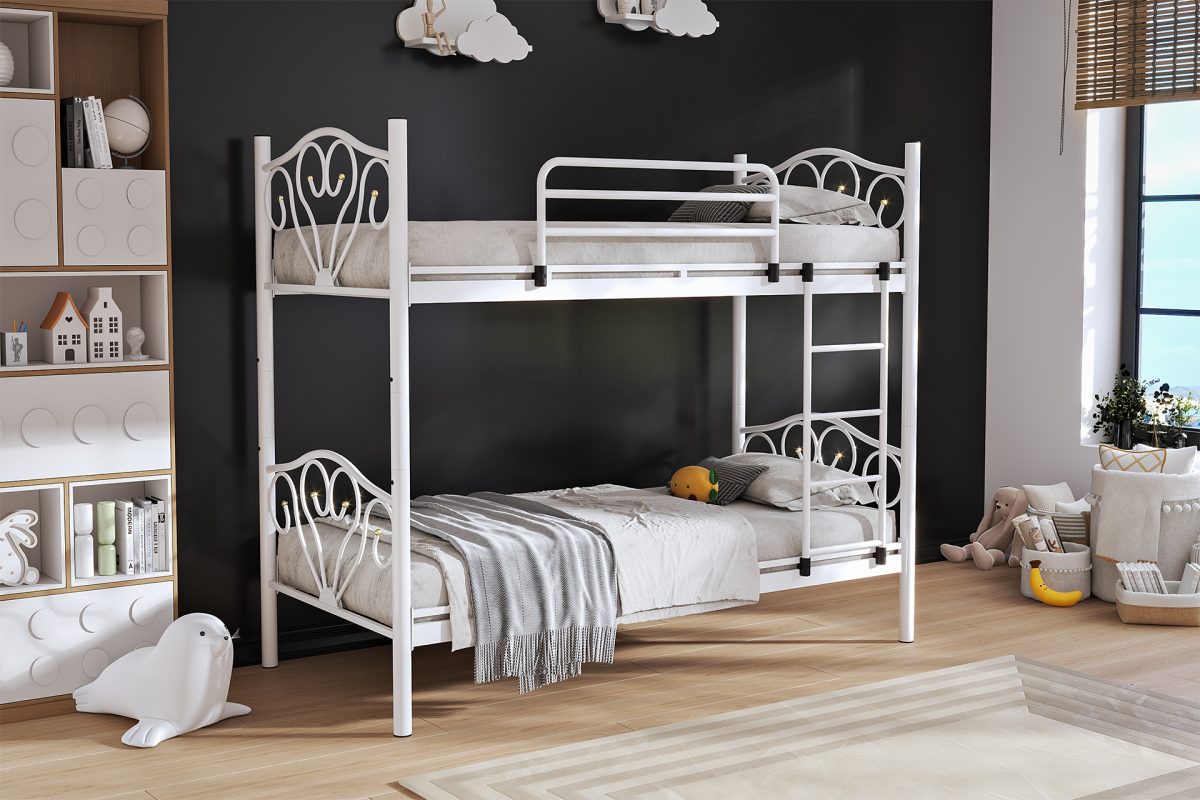
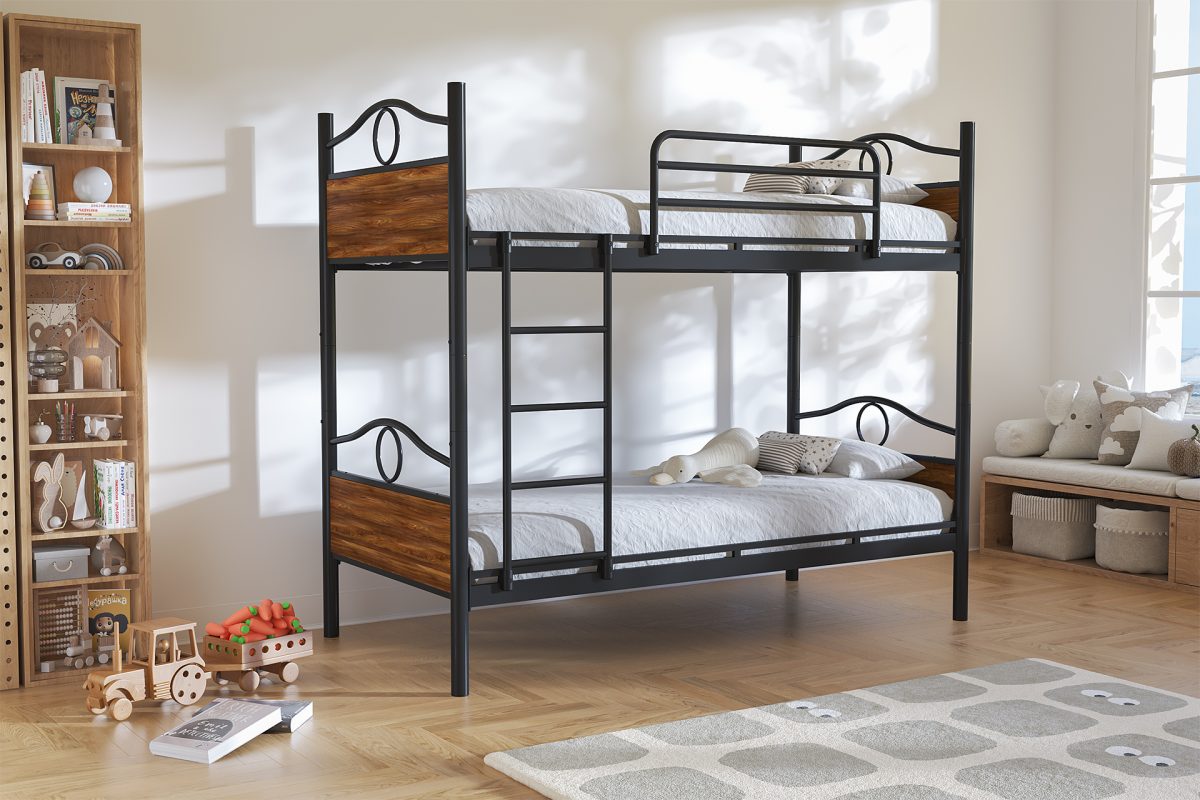
The visual appeal of a property matters immensely. An elegant bunk elevates the room's aesthetic. A well-proportioned bunk prevents cramped spaces. A spacious bed allows guests to sit up. Uncomfortable beds generate complaints. An ergonomic bunk features smooth ladder rungs. Every bunk needs proper guardrail heights. A boutique hostel blends style with strength. A beautiful bed looks great in photographs. Photogenic beds increase online bookings. The best sleep platforms offer clean, architectural lines. Sophisticated units attract higher-paying clientele.
5. Global Logistics and Volumetric Efficiency
Navigating the global supply chain requires an acute understanding of dimensional weight pricing and ocean freight mathematics. Shipping fully assembled frameworks is financially ruinous due to the vast amount of wasted air inside the shipping container. RTA (Ready-To-Assemble) engineering solves this bottleneck by compressing massive structural components into flat, high-density packages that maximize the internal volume of a standard container.
Shipping furniture requires optimization. A flat-pack bunk reduces ocean freight costs. A hyper-compressed bunk fits easily into containers. A bulky bed wastes shipping volume. Disassembled beds are cost-effective to transport. Assembling the bunk on-site should be fast. Each bunk includes clear instructions. A global hostel brand needs reliable logistics. A ready-to-assemble bed saves time. RTA beds lower your landed costs. Procuring frameworks in large volumes demands smart packaging. Finding wholesale platforms ensures you stay within project budgets. Working with a dedicated wholesale exporter is critical.
6. Cross-Sector Applications and Unyielding Safety
The engineering principles required to support multiple adults safely apply to a wide variety of specialized sectors. Uncompromising safety standards and the ability to withstand dynamic loads are universally demanded in harsh, 24/7 operational environments. The structural permanence of these platforms ensures they perform flawlessly regardless of the geographical or institutional setting.
When expanding into defense logistics, a robust sleep platform is critical. An active army base requires structures that can support fully equipped personnel. Supplying an army camp means adhering to strict procurement rules. Similarly, a secure military installation demands uncompromising quality. Every military contractor knows that durability saves lives and budgets. Beyond commercial lodging, humanitarian efforts rely on stable furniture. A university dormitory faces constant wear and tear from students. Campus directors upgrading a dormitory must choose permanent solutions. During crises, a refugee transition center needs fast assembly platforms. Displaced families in a refugee zone deserve dignified rest. A global hostel network often intersects with other sectors. A rugged bunk serves multiple purposes. A versatile bunk adapts to any environment. A strong bed is universally needed. Adaptable beds are highly sought after. For instance, a bunk can be deployed anywhere. A reinforced bunk handles extreme use. A versatile hostel accommodates diverse groups. A single bed might not suffice. Multi-level beds solve space issues. Securing durable sleeping units ensures operational continuity. Advanced designs are engineered to outlast the building itself.
7. Specialized Implementations in High-Impact Zones
Certain environments prohibit the use of fragile or easily dismantled items. Tamper-proof engineering and the complete elimination of sharp edges are mandatory in facilities focused on rehabilitation or continuous industrial labor. In these specific zones, the quality of rest directly impacts occupational safety and behavioral outcomes.
Furthermore, a protective shelter requires an inviting, secure layout. A temporary emergency shelter benefits immensely from robust setups. Security environments have unique demands. An open prison ward strictly prohibits breakable furniture. Providing safe sleeping arrangements in a prison requires tamper-proof designs. Modern correctional facilities focus on rehabilitation and safety. Therefore, a correctional institution will always specify seamless welded frameworks. Industrial extraction sites operate around the clock. A remote worker cabin must offer absolute silence for resting staff. Ensuring that a worker receives uninterrupted sleep is a matter of operational safety. These harsh environments require a heavy duty architecture that ignores abuse. Only a true heavy duty framework survives decades of industrial use. A specialized hostel might cater to industrial teams. A specialized bunk supports massive weights. A robust bunk guarantees stability. A solid bed is mandatory here. Flimsy beds collapse under pressure. A reinforced bunk prevents accidents. Every bunk must pass weight tests. A compliant hostel meets safety standards. A tested bed ensures peace of mind. Certified beds are a legal necessity. Institutional models must adhere to rigorous protocols. Unyielding setups protect both the occupant and the facility.
8. Metallurgy, Sourcing, and Quality Assurance
The microscopic carbon composition of an alloy dictates its macro-level strength. Advanced manufacturing plants prioritize high-tensile, cold-rolled profiles over outdated casting methods. By adhering strictly to ISO 9001 quality assurance protocols, every single joint and seam is tested for perfection. Direct-to-buyer distribution models empower organizations to access these premium materials without absorbing unnecessary retail markups.
Procurement managers must bypass middlemen. Working directly with a primary producer guarantees the best pricing. A certified producer will offer customization options. Every component should be assembled in an automated factory setting. A reliable factory eliminates human error through robotic welding. As your global supplier, we manage all logistics. Expanding your inventory is easy with flat-pack designs. Material selection is the foundation of longevity. Budget options often use brittle cast iron, which cracks under stress. Avoid iron components if you want long-term reliability. Premium alloys are far superior. We utilize high-tensile cold-rolled steel for maximum strength. Advanced profiles prevent lateral sway entirely. Direct sourcing helps a hostel save money. A manufactured bunk ships directly to you. A packaged bunk arrives safely. A custom bed fits your exact dimensions. Tailored beds optimize floor plans. An industrial bunk is precision-engineered. Every bunk undergoes quality control. A modern hostel demands excellence. A flawless bed is delivered. Perfect beds complete your project. Securing top-tier setups defines your success. Ultimately, premium sleeping systems are the cornerstone of mass lodging architecture.
Frequently Asked Procurement Questions
Reviewing the essential inquiries regarding long-term framework acquisitions and facility upgrades.