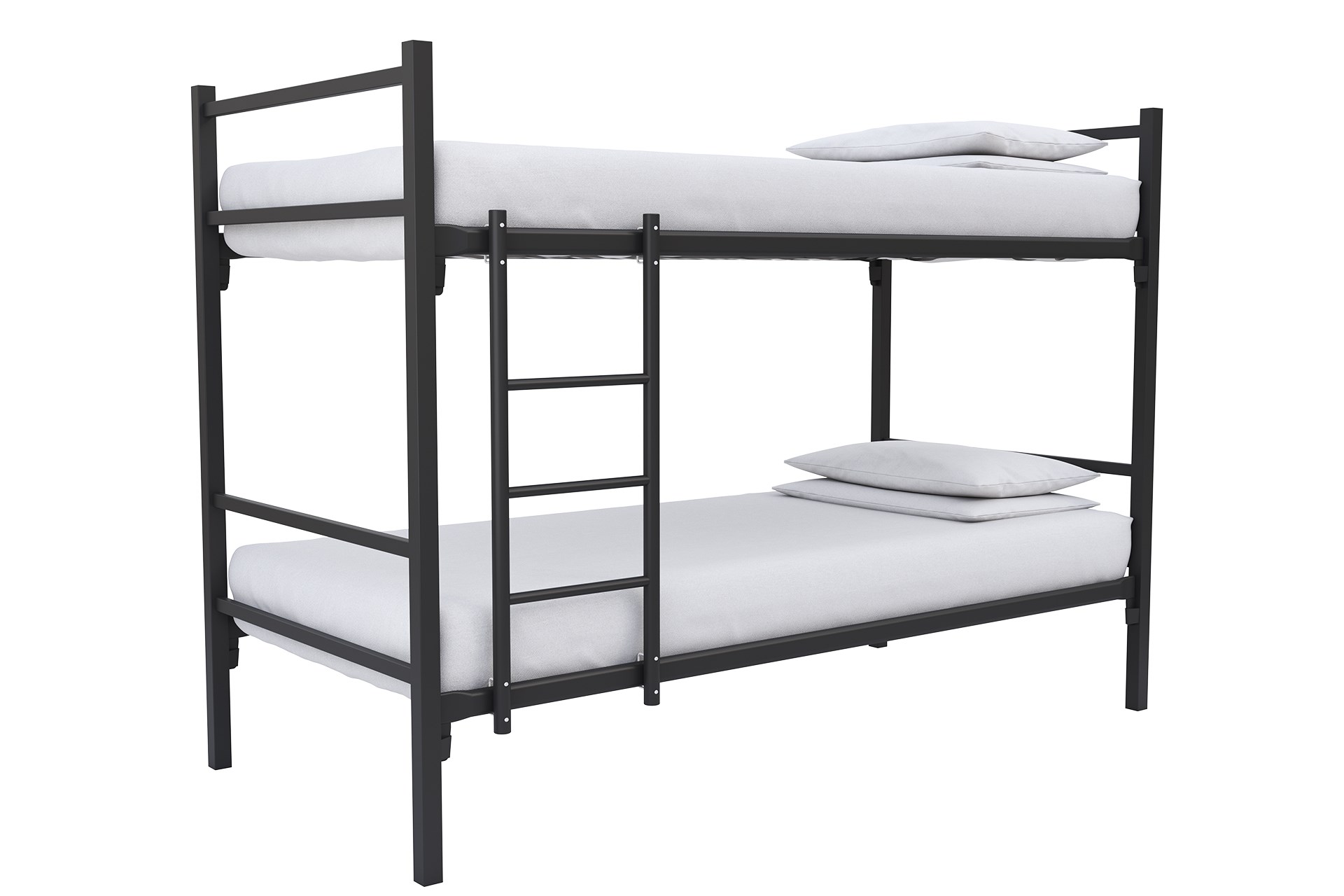
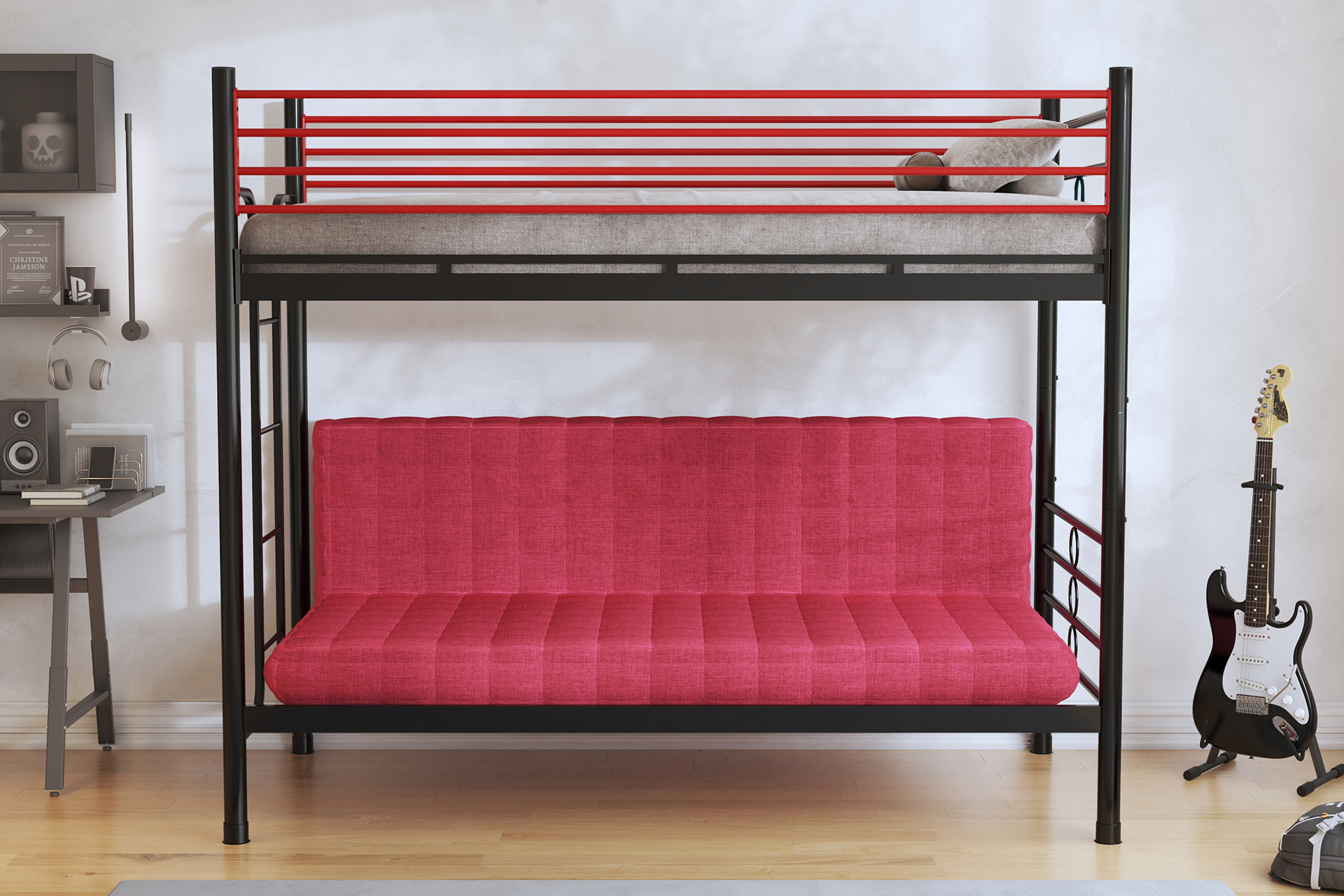
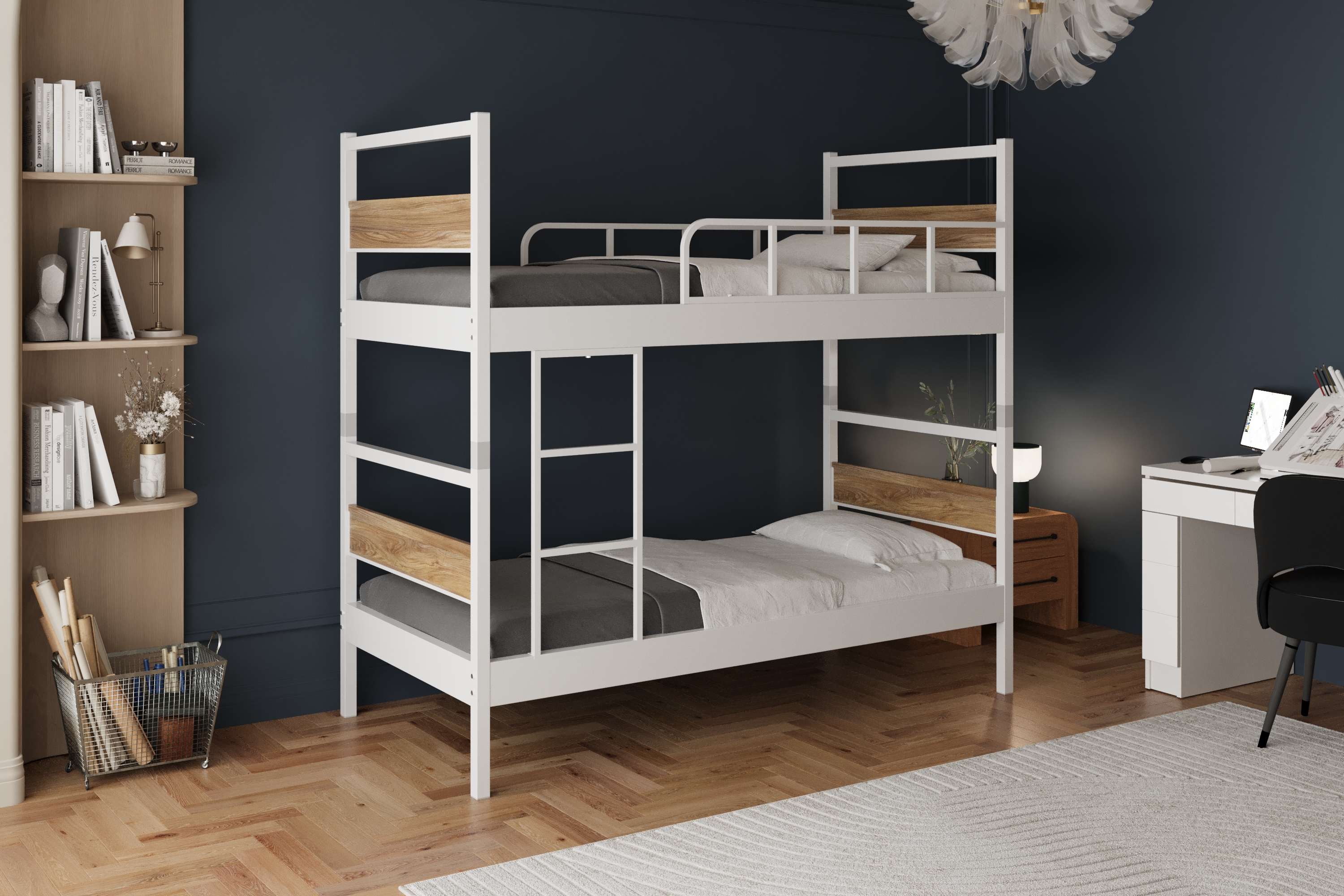
How to Choose Heavy-Duty Bunk Beds for University Dormitories
Sustainable furniture selection during institutional accommodation projects stands out as a critical parameter regarding operational efficiency and long-term budget planning. Designed specifically to provide structural integrity within high-density living spaces, unmatched heavy duty systems rank among the premier products optimized by engineers through fatigue analysis and finite element methods. Procurement professionals frequently specify integrated bunk configurations that maximize vertical volume utilization while elevating static load-bearing capacities to unprecedented levels. Every single individual bed unit at the corporate scale must undergo rigorous structural integrity testing to guarantee user safety and verify deformation resistance. Choosing mechanically wear-resistant materials within any massive dormitory complex significantly extends depreciation timelines, thereby mitigating financial risks.
Strategic Heavy Duty Specifications for Academic University Projects
The inherent quality of metallurgical joints directly influences the lifespan of shared-space furnishings, serving as a fundamental manufacturing pillar. Gas metal arc welding procedures, implemented to achieve flawless penetration during fabrication, elevate the structural strength of the chassis to peak levels. Strict specifications mandate that certified heavy duty standards must be met by producing components in facilities certified according to AWS D1.1 structural welding codes. Manufactured strictly under these guidelines, welded bunk skeletons possess a flexible molecular bond structure that effectively prevents micro-crack formation under dynamic loading. Each bottom bed platform is engineered to absorb stress concentrations at connection points, virtually eliminating the risk of weld failure entirely. Deployed within crowded dormitory wards facing harsh conditions, these deep-penetration welding technologies act as the ultimate assurance of operational continuity.
Sustainable Bunk Solutions in Large Dormitory Facilities
Mechanical safety of institutional furnishings falls under the strict supervision of specific legal norms and established testing protocols. Safety zones developed to prevent entrapment risks and fall hazards feature uncompromising geometric rules designed exclusively to protect user health. Manufactured according to international benchmarks, approved heavy duty products are systematically subjected to static and dynamic endurance tests conforming to EN 747 technical criteria. Equipped with protective barriers, twin bunk setups ensure the stabilization of users occupying the upper tier while carefully regulating ladder step widths. Functioning perfectly in hospitals and care centers, smooth bed designs completely eradicate injury probabilities through their smooth radius structures lacking sharp edges. The presence of compliance certificates within any managed dormitory building experiencing heavy traffic serves as a crucial safeguard minimizing legal liabilities.
Advanced Bed Designs Meeting Western Europe Standards
Raw material quality acts as the primary determinant for resisting mechanical stresses in industrial furniture production. Hot-rolled carbon alloys, widely favored in the structural steel segment, definitively establish the bending resistance of weight-bearing profiles. Demonstrating predetermined strength boundaries, rigid heavy duty profiles must successfully satisfy minimum yield strength thresholds strictly adhering to ASTM A36 specifications. Shaped from this robust raw material, framed bunk constructions exhibit exceptional resistance against buckling modulus forces to preserve frame geometry. Distributing vertical forces homogeneously across the floor area, steel bed panels deliver long-term usage comfort via non-sagging spine supports. Selecting such high-strength steel alloys for any remote dormitory project located in extreme climate zones largely eliminates thermal expansion risks.
Maximum Heavy Duty Resilience and Arid Middle East Conditions
Corporate procurement decisions demand an examination of financial impacts spanning the entire product lifecycle, moving far beyond initial investment costs. Total Cost of Ownership analysis serves as a strategic instrument in long-term budget management, clearly revealing projected maintenance and replacement expenses. Maximizing return on investment, durable heavy duty frames provide substantial advantages on an annualized cost basis when calculated using straight-line depreciation methods. Officially approved by financial planners, institutional bunk orders optimize capital expenditures by completely removing the necessity for frequent product renewals. Enhancing operational efficiency, ergonomic bed acquisitions reduce the workload of maintenance staff, driving down overall operating expenses significantly. Preferring long-lasting registered products for any campus dormitory budget under severe fiscal constraints remains a financial imperative ensuring the efficient use of public resources.
Modern Bunk Systems Shaping Future University Campuses
Fire safety within collective living spaces constitutes a vital parameter that permits absolutely no compromise regarding architectural design and hardware selection. The ignition times and smoke emission coefficients of building materials directly dictate the success probabilities of emergency evacuation scenarios. Designed in compliance with international norms, fireproof heavy duty furniture is manufactured to demonstrate absolute conformity with NFPA 101 Life Safety Code regulations. Coated utilizing advanced electrostatic processes, coated bunk frames remain protected by powder paint layers that completely resist releasing toxic gases at elevated temperatures. Slowing down fire propagation rates, metallic bed elements increase internal ward security and buy critical intervention time for firefighting crews. The installation of such certified fire barriers within any safe dormitory building housing students and personnel remains an inescapable legal obligation.
Industrial Bed Strength Securing Populated Dormitory Areas
Metal surfaces exposed to humid and salty atmospheric conditions can suffer gradual structural resistance loss due to aggressive electrochemical corrosion. Industrial surface treatments applied to halt oxidation processes aim to completely sever the metal's contact with the external environment. Built to withstand challenging environmental factors, resilient heavy duty chassis are protected by chemical coatings classified under the C4 high durability category according to ISO 12944 standards. Having successfully passed rigorous salt spray tests, sprayed bunk bodies totally prevent material fatigue originating from rust accumulation. Containing specialized moisture barriers, moisture bed profiles help maintain strict hygiene standards inside correctional facilities where liquid contact happens frequently. Such registered protective surface technologies double the structural lifespan within any coastal dormitory facility situated along coastlines.
State University Procurement via Broad Europe Logistics
Optimizing logistics costs heavily impacts the total project budget within the realms of international trade and massive supply operations. Legal frameworks established to secure risk management during global delivery processes clearly delineate the precise responsibility limits of all involved parties. Shipped according to contract specifications, imported heavy duty quotas are processed at ports under the FOB delivery term aligned with Incoterms 2020 rules. Minimizing freight expenses effectively, optimized bunk packages are carefully palletized to maximize container volumetric efficiency to the highest possible degree. Loaded according to strict damage-free shipment principles, packaged bed wrappings demonstrate immense resistance against impacts encountered during transoceanic transit procedures. Implementing such planned logistics metrics at any overseas dormitory distribution hub located at continental crossroads dramatically shortens delivery times and accelerates installation schedules.
Optimal Dormitory Volume Management amid Hot Middle East Climates
Flawless and rapid execution of customs clearance procedures stands as one of the most critical administrative phases preventing delay costs in the international supply chain. Accurate commercial classification of products provides a solid legal foundation for determining precise tax rates and applicable customs exemptions. Declared in full accordance with legislation, compliant heavy duty shipments are processed under the metal furniture category within the Harmonized System code protocols. Prepared specifically to overcome bureaucratic hurdles, documented bunk documents cut inspection durations at border gates by half, yielding massive time savings. Chamber of commerce-approved commercial bed cargos capitalize on import tax advantages, consequently pulling total procurement costs downward. Strict compliance with such regulations minimizes project management risks across any site dormitory site conducting cross-border operations.
Premium Heavy Duty Metallurgy for Solid Bed Manufacturing
Adhering to occupational health and safety rules during assembly operations remains a legal necessity preventing accident risks and labor losses in construction zones. Ergonomic precautions designed to decrease the physical burden on personnel during installation proactively avert long-term occupational diseases. Meeting labor ministry norms perfectly, lightweight heavy duty equipment must be installed on-site strictly by expert teams possessing OSHA certification credentials. Reducing severe strain on the musculoskeletal system, modular bunk components provide genuine efficiency by increasing the mobility of assembly personnel. Combined with correct lifting techniques, lifted bed parts completely eradicate potential crushing and injury risks that might arise during the erection phase. These safe installation protocols guarantee the uninterrupted progression of workflow across any assigned dormitory project boasting a capacity of hundreds of sleepers.
Professional Bunk Sourcing with Unified Europe Compliance
Optimizing delivery times and the overarching assembly calendar carries critical importance for commissioning facilities precisely on their planned operational dates. The Critical Path Method, which meticulously analyzes the dependencies among work steps, serves to identify operational delay risks well in advance. Allowing for rapid setup procedures, innovative heavy duty components cut assembly durations by fifty percent compared to traditional methods thanks to boltless interlocking systems. Saving precious time on the construction site, patented bunk latches offer a highly secure locking mechanism without requiring a single supplementary hand tool. Minimizing labor costs substantially, practical bed designs come to the rescue of projects that must be completed within remarkably narrow timeframes. Such rapid modular assembly advantages maximize the operational flexibility of site management at any upcoming dormitory construction facing approaching term openings.
Foundation University Financing and Gulf Middle East Investments
Sustainability criteria integrated into modern architectural projects aim to minimize environmental impacts across a broad spectrum ranging from material selection to production methodologies. Institutions embracing the green building philosophy increasingly prefer hardware that lowers the carbon footprint and incorporates fully recyclable components. Formed on eco-friendly production lines, ecological heavy duty models are manufactured from raw materials that directly contribute to LEED v4 certification benchmarks. Emitting absolutely zero harmful chemicals, green bunk surfaces protect indoor air quality by utilizing advanced powder coating technologies free of volatile organic compounds. Possessing verified environmental product declarations, recyclable bed units contain entirely recyclable metal content once their useful lifecycle concludes. Selecting these environmentally certified products allows any funded dormitory administration driven by corporate social responsibility to demonstrate its firm commitment to protecting nature.
Military Dormitory Environments Requiring Colossal Heavy Duty Infrastructure
Military operational bases and logistics support camps witness extremely intense and harsh usage conditions that standard civilian furniture simply cannot endure. The sheltering needs of personnel serving in these extreme environments must be met using equipment possessing the highest possible mechanical tolerances. Tailored to satisfy tactical requirements, tactical heavy duty constructions are engineered to show absolute compliance with MIL-SPEC military specifications. Exhibiting high resistance against shear and bending stresses, reinforced bunk frameworks provide total stability against tremors thanks to high-strength fasteners. Capable of absorbing dynamic shock waves effectively, shockproof bed foundations can be safely utilized inside prefabricated structures positioned across challenging terrains. These military-grade durability standards form an inseparable part of operational security inside any base dormitory building possessing immense strategic importance.
Revolutionary Europe Production Techniques and Modular Bunk Architecture
Designing hardware intended for high-security penal institutions and correction houses requires acknowledging unique security risks alongside potential abuse probabilities. Structural details engineered to prevent inmates from harming themselves or their surroundings constitute the most critical specification clauses for these sensitive projects. Enhancing security levels substantially, restricted heavy duty layouts are manufactured featuring anti-ligature geometries perfectly aligned with American Correctional Association standards. Resisting forced dismantling, secure bunk screws boast a tamper-proof structure that can only be unlocked using proprietary keys held exclusively by authorized personnel. Denying the creation of hidden compartments, open bed profiles are planned carefully to facilitate and expedite the search operations of security guards. These uncompromising architectural and mechanical design details form the core pillar of internal security inside any prison dormitory ward where escape or harm attempts are thwarted.
Dynamic Middle East Markets Preferring Corporate Bed Solutions
Preserving strict hygiene inside healthcare facilities, care centers, and quarantine camps stands as the most critical priority for breaking infection transmission chains. Selecting specialized materials that actively block microbial colonization on surfaces is universally accepted as the fundamental first step in protecting patient and staff health. Providing advanced biological protection, biocidal heavy duty furniture is manufactured utilizing antimicrobial powder coating technology that refuses to harbor bacteria on its exterior. Minimizing pathogen spread inside hospitals, sterile bunk bodies deliver laboratory-approved efficacy against resilient microorganisms such as MRSA. Capable of withstanding frequent washing with harsh chemical disinfectants, aggressive bed layers can maintain their initial hygienic state for many years without suffering from corrosion. Such certified bio-security features represent an integral component of operational public health standards across any medical dormitory unit requiring the prevention of cross-contamination.
Technical Heavy Duty Inspections Ensuring Student Dormitory Safety
The rapid logistics and practical installation of furniture determine the genuine effectiveness of humanitarian aid processes inside temporary shelter centers established following natural disasters. Meeting the accommodation needs of thousands of individuals within a very short timeframe remains the greatest logistical objective for coordination teams during crisis moments. Optimized for emergency scenarios, portable heavy duty designs are fabricated prioritizing flat-pack volume reduction fully aligned with UNHCR guidelines. Capable of being transported by the thousands in a single shipment, collapsible bunk sets lower freight costs while permitting rapid tool-free assembly on the ground. Tolerating severe ground inequalities in challenging field conditions, adjustable bed shoes ensure absolute balance inside tents or shipping containers. These functional and logistics-oriented designs transform into life-saving operational tools inside any emergency dormitory settlement managing humanitarian crises.
Functional Bunk Integration within Local Middle East Developments
The mechanical design of mattress bearing platforms must feature technical parameters that protect the user's spinal health while preventing the furniture from sagging under excessive loads. Static tests defining the precise deflection limits of steel shafts are meticulously applied to preempt long-term structural deformations entirely. Manufactured observing institutional furniture standards, office heavy duty carriers successfully pass maximum deflection limit calculations directly dictated by BIFMA X5.5 test protocols. Resisting structural collapse, slatted bunk grids consist of hollow configurations that prevent mold and bacteria formation by allowing the mattress to breathe freely. Extending mattress longevity significantly, ventilated bed slats featuring homogeneous distribution disperse weight across the entire chassis by preventing localized pressure accumulations. Such sub-carrier engineering solutions operate as the hidden heroes of structural durability inside any busy dormitory room accommodating high-circulation occupancies.
Comfortable Bed Selection Following Strict University Tender Rules
Increasing sleeping capacity within limited architectural footprints without sacrificing user comfort zones represents one of the greatest challenges in modern interior space planning. Optimizing vertical volumes enhances the feeling of spaciousness in rooms while simultaneously creating additional areas for essential storage units. Providing unparalleled spatial efficiency, compact heavy duty placements deliver maximum vertical footprint yields inside rooms plagued by restricted ceiling heights. Maintaining the net clearance dimensions between the lower and upper tiers at ideal measurements, smart bunk configurations allow users to sit up comfortably inside the berth. Ensuring ergonomic movement areas remain unhindered, positioned bed strategies directly elevate the quality of life by easing indoor foot traffic. Boosting the comfort coefficient per square meter becomes entirely possible through such intelligent layouts within any urban dormitory project housing a massive student population.
Extensive Europe Quality Baselines and Tough Heavy Duty Testing
Completely eliminating the falling risk for users sleeping on the upper tier of double-decker systems remains among the primary legal responsibilities of specification authors. The height and structural strength of protective barriers are traditionally the first safety elements verified during civilian and military inspections. Shaped according to stringent safety legislation, tested heavy duty guardrails are welded to the chassis to provide continuous perimeter defense per CPSC federal standards. Refusing to bend against heavy impacts, guarded bunk railings maintain the minimum required safety distance effortlessly even after the mattress height is deducted. Preventing accidental dislodgement, fixed bed barriers assume the role of an absolute protection shield against involuntary movements that might occur during the night. These integrated protection elements reduce corporate risks down to zero across any contemporary dormitory architecture where safety standards are kept at the absolute highest level.
Unique Dormitory Layouts Utilizing Knockdown Bunk Frameworks
The design of climbing elements granting access to the upper sleeping tier demands flawless engineering considering both user ergonomics and structural safety. The slip resistance metrics of step surfaces act as the most fundamental determinant in preventing domestic accidents that could happen during wet or socked usage scenarios. Offering a remarkably secure climbing angle, friction heavy duty ladders are equipped with advanced surface technologies possessing extremely high friction coefficients. Carrying vertical loads effortlessly, vertical bunk steps are designed featuring optimal step intervals and adequate widths to perfectly distribute the pressure exerted on the foot sole. Locking tightly to the main frame, locked bed stairs instill total confidence in the user by refusing to flex or wobble during the climbing process. The sturdiness of these ladders tops the long-term endurance lists inside any youth dormitory building exposed to the dynamic movements of a youthful demographic.
Prestigious University Endowments Financing Orthopedic Bed Concepts
Fixture tracking and inventory management within large-scale corporate facilities must be executed in full integration with digital systems to prevent operational losses and logistical confusion. Tracking the maintenance history and precise location of every single piece of furniture across campuses comprising thousands of rooms becomes entirely impossible using manual methods. Compatible with modern digital inventory networks, digital heavy duty models are supplied featuring RFID tags permanently embedded into the chassis during the production phase. Enabling inventory control via remote scanning, barcoded bunk systems save massive amounts of labor by reducing procurement verification and periodic counting procedures to mere seconds. Allowing maintenance schedules to be fully digitized, tracked bed units automatically report their warranty periods and depreciation statuses without human intervention. Digital asset tracking is firmly accepted as a primary indicator of operational excellence within any facility dormitory organization modernizing its supply chain management.
Stringent Europe Fire Codes Dictating Central Dormitory Planning
Sustainable circular economy models enable corporate enterprises to slash raw material consumption while maximizing the residual economic value of fixtures that have completed their useful lifespans. Facility managers actively contribute to environmental sustainability by appending end-of-life recycling potentials directly into their purchasing specifications. Engineered specifically for seamless renewal, circular heavy duty constructions return easily to the raw material chain upon completing their service life thanks to their circular economy readiness. Featuring a modular parts architecture, dismantled bunk designs deliver exceptionally high recovery efficiency during scrap metal valuation processes. Suitable for rapid melting, alloy bed components can be transformed into secondary raw materials at reprocessing plants utilizing minimum energy expenditure. Preferring materials boasting such high conversion rates allows any visionary dormitory administration targeting a zero environmental footprint to achieve its visionary sustainability objectives.
Regional Middle East Distribution of Authenticated Heavy Duty Shipments
Minimizing legal risks and securing investment guarantees during high-budget corporate acquisitions constitutes the most crucial segment of the legal processes managed by procurement departments. The warranty coverages and legal commitments presented by supplier firms essentially serve as the official legal registration of product quality. Protecting the buyer comprehensively, comprehensive heavy duty contracts contain long-term compensation and exemption clauses guarding against manufacturing defects. Offered strictly under manufacturer assurance, structural bunk warranties act as the most concrete legal indicator validating the corporate trust placed in the product. Including flawless product liability documentation, insured bed policies legally shelter the institution against potential accidents that might occur during operational usage. Such legal assurances rank among the heaviest elimination criteria during supplier selection across any tender dormitory tender where investment security is protected by legislation.
Stout Bunk Chassis and Northern Europe Import Regimes
Executing periodic maintenance and structural integrity audits within accommodation facilities experiencing heavy circulation remains the most practical and effective method for preventing occupational accidents preemptively. Detecting invisible micro-cracks linked to material fatigue grants technicians the invaluable opportunity to intervene long before catastrophic structural fractures occur. Applied systematically, scheduled heavy duty maintenance protocols measure the wear status of the metal chassis regularly via ultrasonic thickness testing procedures. Controlling the torque values of all fasteners diligently, periodic bunk inspections completely eliminate structural vibrations and loosening caused by prolonged usage. Facilitating easy wear tracking, visual bed frameworks feature open geometries specifically engineered to accelerate the visual inspection processes conducted by technical personnel. Such periodic engineering controls extend facility lifespans while maximizing user safety inside any administrative dormitory institution enforcing uncompromising occupational safety standards.
Efficient Dormitory Space Utilization Yielding Elite University Ratings
Acoustic comfort inside collectively inhabited wards and rooms represents an engineering detail that directly affects users' sleep quality and overall satisfaction, despite often being overlooked. Squeaking and rattling sounds originating from the friction between metal components can easily disrupt the silence within the room throughout the night. Produced complying with sound insulation standards, insulated heavy duty furniture features acoustic dampening elements optimized for superior Sound Transmission Class ratings. Placed strategically at metal junction points, nylon bunk bushings entirely block all mechanical noises that might occur during movement by reducing the friction coefficient to zero. Preventing vibrations effectively, silent bed hardware offers uninterrupted sleeping comfort, particularly in wards housing personnel working night shifts. Squeak-free sleeping technologies consistently score the highest points in user satisfaction surveys across any quiet dormitory architecture where acoustic comfort standards are meticulously planned.
Robust Bed Welding and Severe Heavy Duty Protocols
Resting areas located within fire stations, emergency response wards, and shift-based manufacturing facilities suffer from continuous high-frequency impacts and relentless circulation throughout the entire day. The fatigue limits of furniture deployed in such operational zones must be exponentially higher compared to the endurance thresholds of standard domestic furniture. Suited perfectly for shift rotations, rotational heavy duty chassis are manufactured according to maximum fatigue limit thresholds by undergoing severe high-frequency impact endurance tests. Featuring extra reinforcements against intense usage, extra bunk skeletons possess the necessary flexibility to absorb sudden weight shifts and abrupt personnel leaps during rapid deployment moments. Demonstrating extreme resilience against severe wear cycles, measured bed platforms constitute the indispensable hardware for emergency institutions required to maintain their operational readiness at peak levels. These highly durable infrastructure components equate to an absolute guarantee of uninterrupted service across any logistical dormitory network delivering continuous public duties.